Validation case
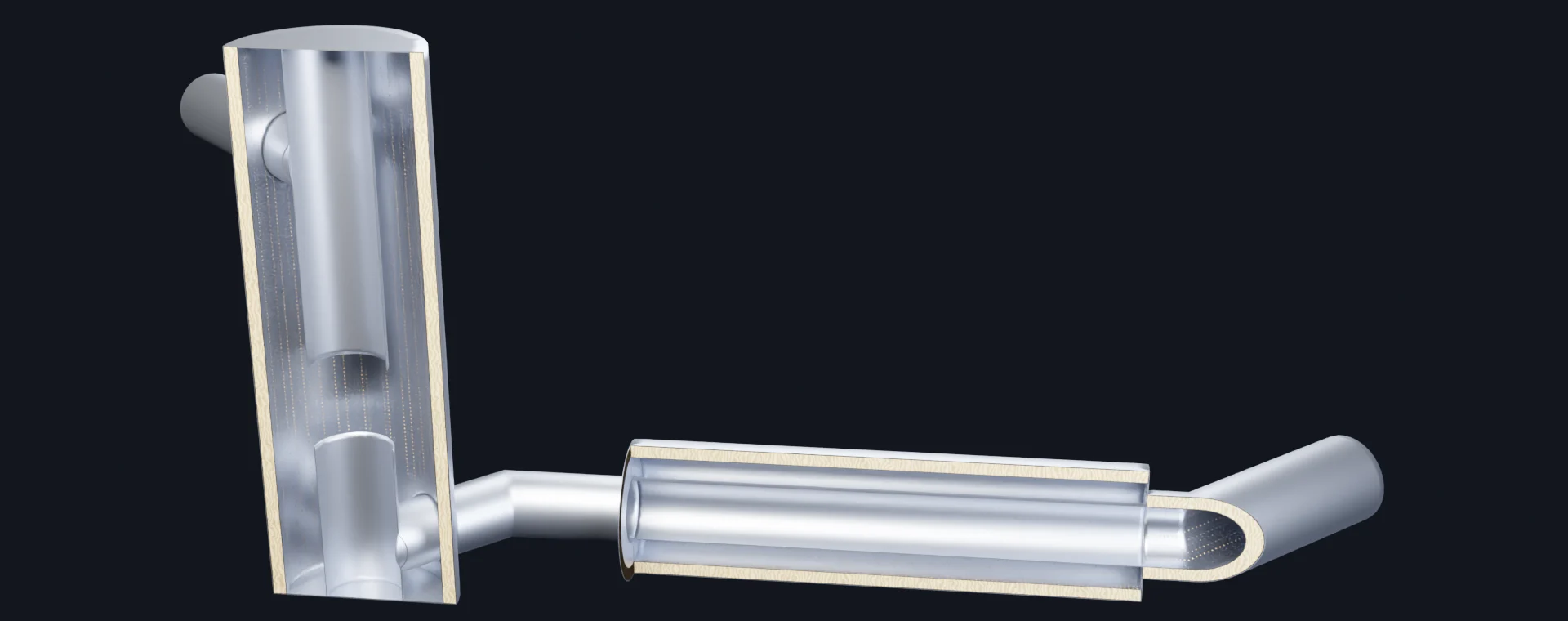
Exhaust muffler with three absorbing packings
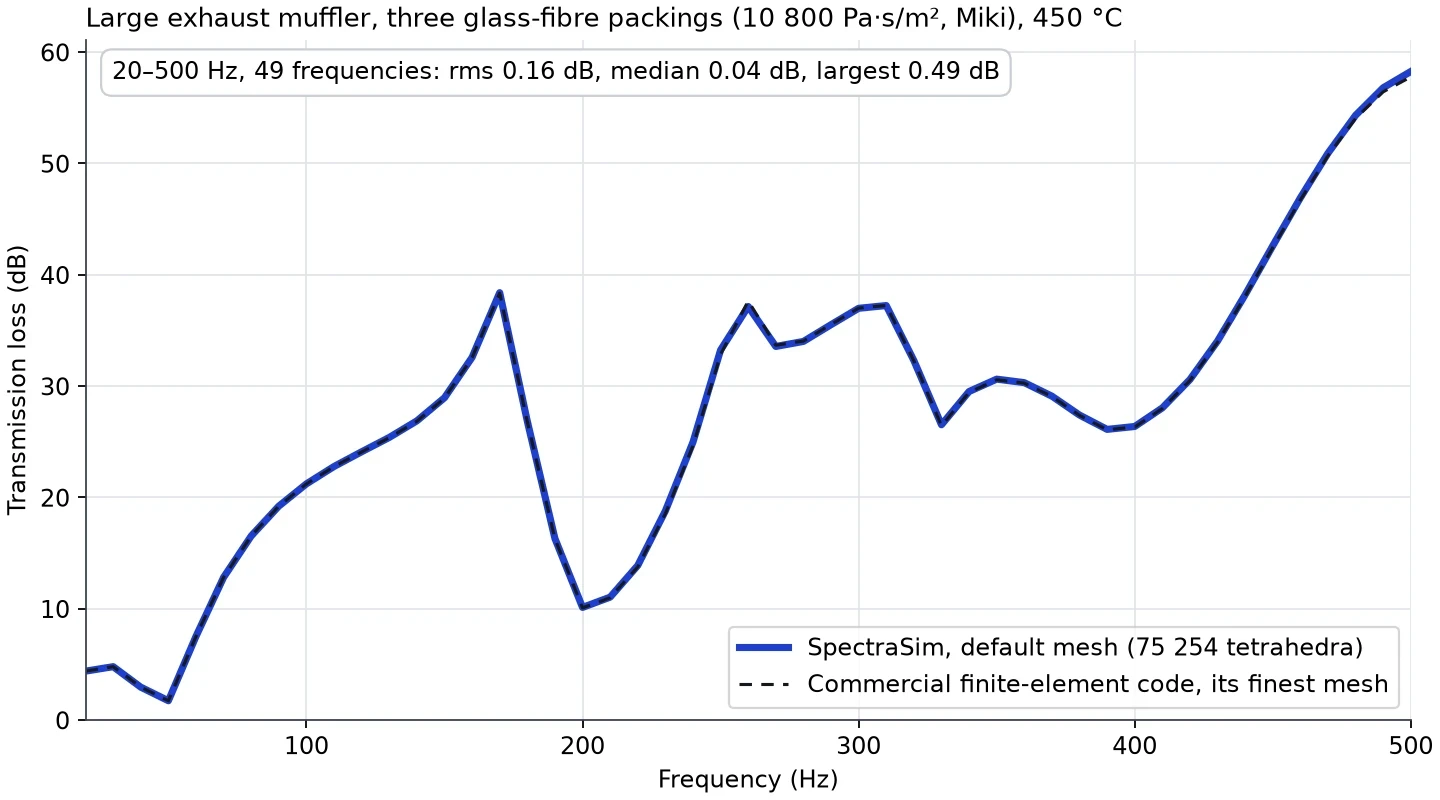
Against a commercial finite-element code on its finest mesh, for the large exhaust muffler with three absorbing-material regions, 20–500 Hz, SpectraSim gives: rms 0.16 dB, median 0.04 dB, largest 0.49 dB.
0.16 dB TL rms difference, 20 to 500 Hz
Results
How close is SpectraSim?
Rms 0.16 dB, median 0.04 dB, largest 0.49 dB.
Model and set-up
- Reference
- Commercial finite-element code, its finest mesh
- A main body and a second lined chamber joined by a pipe; one inlet, one outlet, rigid internal walls.
- Three glass-fibre packings of 10 800 Pa·s/m² (Miki model); gas at 450 °C.
- SpectraSim’s default mesh: 75 254 tetrahedra, 119 546 unknowns; 49 frequencies from 20 to 500 Hz.
How to read the result
- The reference is the commercial code on its finest mesh setting, so it is the best answer that code gives.
- Most of the first, larger difference came from the model inputs, not the mesh: once SpectraSim used the gas properties and flow resistivity the reference most likely used, refining its mesh brought every frequency steadily onto the reference.
Selected cases
Other validation cases
-
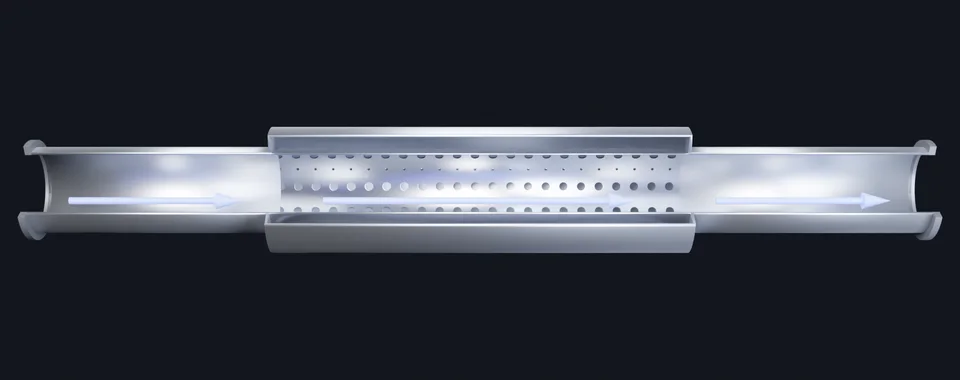 Measured Concentric-tube resonators ≈ 2 dB peak levels against measured
-
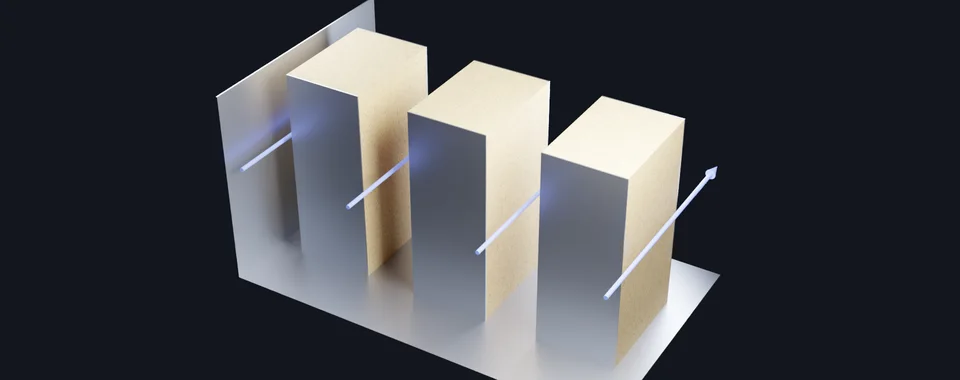 Measured Parallel-baffle (splitter) silencer 1.37 dB TL rms difference, 50 Hz to 4 kHz
-
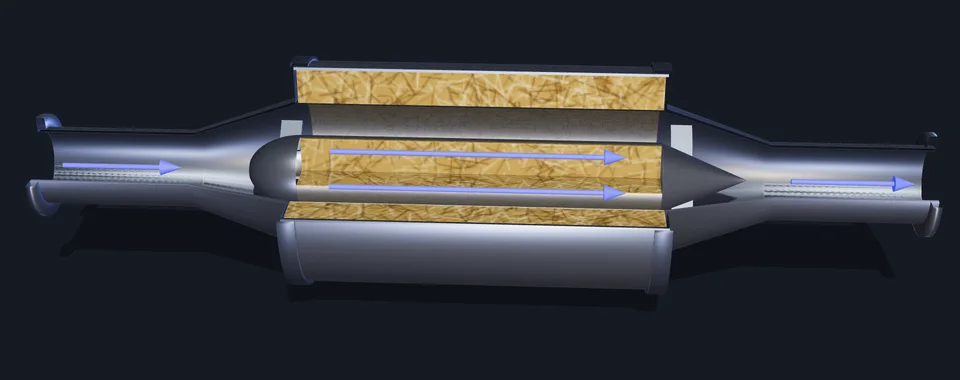 Analytical Pod silencer with absorbing pod and lining 1.3 dB TL rms difference below the 1.7 kHz cut-on
-
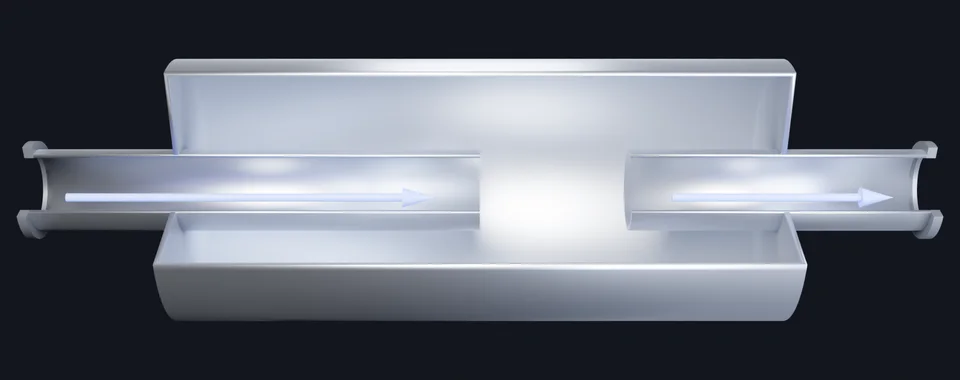 Code-to-code Muffler with an extended-tube chamber 0.12 dB TL rms difference, 20 Hz to 1 kHz
-
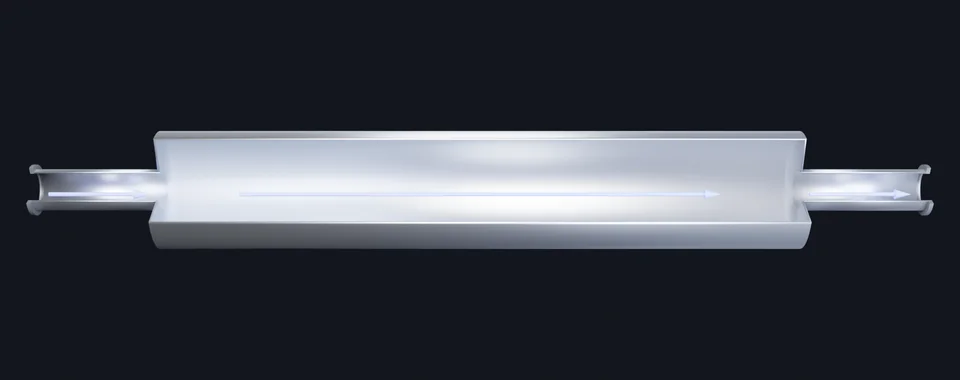 Analytical Expansion chamber against the exact 1-D solution 0.36 dB below 0.4 of the first cross-mode cut-on
Check it on your own muffler.
Download SpectraSim and run your geometry, or let our engineers run the study and compare it with your test.